CSOs want legal framework to guide constitutional reform
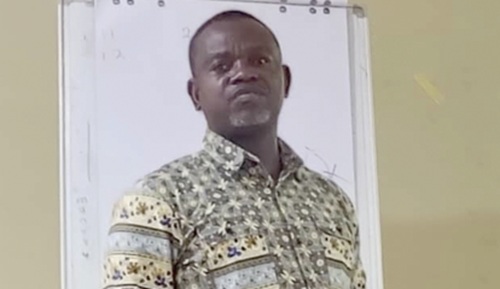
A group of Civil Society Organisations (CSOs) advocating constitutional reforms have called for the establishment of a clear legal framework to guide the implementation of proposed constitutional changes.
The Director of the Ghana Development Communities Association (GDCA), Phillip Gmabi who made the call on behalf of the group, said such legislation would provide a clearly defined roadmap for implementing the reforms and prevent the process from being altered or abandoned at the discretion of successive administrations.
He pointed out that the implementation process of constitutional reforms should not be left to political commitments and administrative discretion but should be backed by law.
“We want the government to establish a legal framework to guide these proposed constitutional changes and back them by law to prevent them from being altered,” he said.
Step-down discussion
Mr. Gmabi was speaking at a step-down discussion on the constitutional reforms in Tamale, organised by the GDCA in collaboration with Norsaac.
The event was aimed at engaging citizens on the proposed constitutional reforms, enabling them to understand the issues and express their views and contributions to help shape an outcome that would earn the confidence of Ghanaians.
It was also intended to take the constitutional reform discussions beyond Accra and give citizens across the country a meaningful opportunity to be heard.
The engagement brought together representatives of CSOs, youth groups and the media in the Northern Region.
Areas of agreement
Mr Gmabi said CSOs were aligned with the government on some aspects of the constitutional review but disagreed with others, indicating he did not support the proposed five-year presidential term.
He, therefore, appealed to the media to intensify public education on the proposed reforms to enhance public understanding and participation in the process.
Public education
For her part, the Head of Programmes and Policy Influencing at Norsaac, Hafsa Sey Sumani, said engaging community members to understand the areas proposed for review would contribute to a smooth reform process.
She said many people, particularly those in rural communities, did not have adequate information about the ongoing constitutional review.
She called for expanded public education to reach communities across the northern part of the country, particularly on the proposed referendum, to enable citizens to understand the issues and participate meaningfully in the process.