Young girls call for attention to child, early marriage
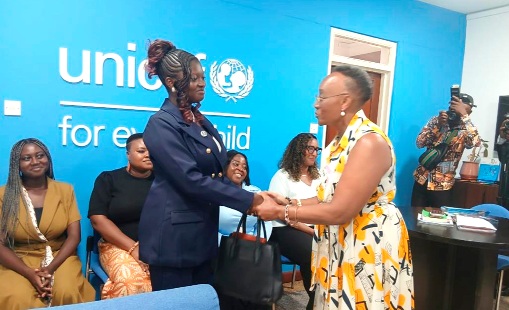
In a historic celebration of the International Day of the Girl, young girls from three regions of the country took over the roles of UNICEF Country Representative and leadership of UNICEF, amplifying children’s voices and drawing attention to issues affecting girls, particularly child marriage and early marriage.
In the presence of the UNICEF Officer in Charge (OIC), Anne Kariuki, and her staff, the young girls used the occasion to share their concerns and advocate a future where every girl is protected, educated, heard and empowered to reach her full potential.
Through powerful messages — “Let Girls Be Girls, Let Girls Learn, Listen to Girls and Invest in Girls” — they called on stakeholders to intensify efforts to end child marriage, protect girls’ rights and create opportunities for them to thrive.
Dubbed Girls Takeover Day and organised by Plan International Ghana, the occasion also saw the girls take over roles as Country Director and Country leadership team of Plan International Ghana, where, at its office, they held a press briefing to present the organisation’s annual global publication, the 2026 State of the World’s Girls Report.
The Day
Celebrated every year on October 11, International Day of the Girl is a global moment to celebrate girls everywhere, amplifying their voices, actions and leadership.
This year, the day was celebrated on the theme, “End child marriage and invest in girls’ rights”.
According to UNICEF’s 2026 estimates, one in five girls are married before age 18 across the world, representing approximately 650 million women and girls alive today who were married in childhood.
Juliet Dede Gberbi, who took over the role of UNICEF Country Representative at the UNICEF Office, said every girl should have the opportunity to stay in school and achieve their dreams.
She said when girls speak, are kept safe, healthy, educated, and supported, they could shape their own futures.
Other young girls present called for a quick response for girls who experience defilement, especially for those in rural areas, explaining that they had high rates of early marriage and early pregnancy as compared to their counterparts in the cities.
They asked UNICEF to help the government enforce laws against child and early marriage, emphasising that those who arrange such marriages should be punished.
They further asked UNICEF to visit rural communities to meet traditional authorities and community leaders to discuss the effects and consequences of child marriage with them.
Child protection
Responding to the ideas raised by the girls, Ms Kariuki said they were things that UNICEF was already tackling.
She said Ghana had done a lot in terms of child protection but it needed to do a lot to complete the journey, adding that UNICEF would engage every stakeholder to ensure that progress was made.
A Child Protection Officer of UNICEF, Joyce Odame, said education remained one of the weapons that could be used to curtail the problem of child marriage.
An education specialist of UNICEF Ghana, Christopher Nkrumah, said one of the quickest ways to enter child marriage in Ghana was pregnancy, explaining that once a girl got pregnant, the likelihood of the parent giving her away to marriage was high.
He said that was why UNICEF Ghana had been advocating pregnancy prevention and, should pregnancy occur, that should not stop the girl child from going to school.