Special Office engages diaspora on barriers to nation’s development
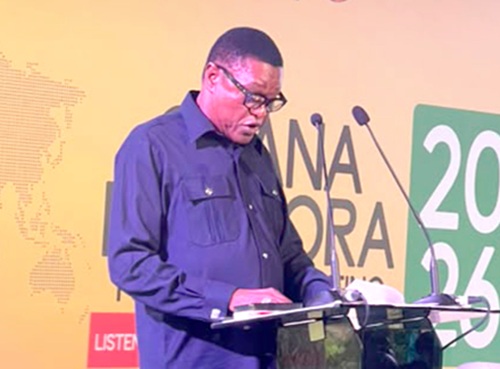
The Diaspora Affairs Office of the President (DAOOP) has engaged Ghanaians living abroad and members of the wider African diaspora to identify barriers affecting their participation in Ghana’s development and explore ways to strengthen their engagement with the government.
The event, held last Friday (September 18) on the theme, “Listening today, building tomorrow: strengthening Ghana’s partnership with the Diaspora,” brought together members of the diaspora and representatives of government institutions for discussions on their experiences, concerns, aspirations and contributions to national development.
It featured nine thematic listening sessions where participants engaged directly with responsible ministries, departments and agencies.
The sessions covered citizenship, immigration, residency and national identification; property and real estate; tourism, culture and heritage; business registration and investment; employment, skills and knowledge transfer; diaspora engagement, representation and integration; education, academia and youth engagement; infrastructure and public services, and health and safety.
Diaspora challenges
The Chief Director of the Office of the President, Alhaji Dr Abubakari Wayo, indicated that the diaspora remained an important part of the country’s development story, particularly through the skills, knowledge, networks, investments and international experiences they brought to the country.

The participants
He said many members of the diaspora were interested in returning to the country to establish businesses, acquire properties, contribute professionally and become more actively involved in the development of the country.
Alhaji Dr Wayo said the engagement was also aimed at giving the government a clearer understanding of the challenges confronting members of the diaspora in their dealings with Ghana.
He cited property and land issues, housing, banking and remittances, health care, investment, business establishment and access to government institutions as some of the concerns requiring attention.
“The issues raised by the diaspora do not belong to one institution alone. They require coordination across government, and they require us to listen to the people who experience these challenges directly,” he said.
He, therefore, urged participants to speak openly about their experiences and identify practical ways through which government services and systems could be improved.
“Please share your experiences, identify the barriers you have encountered, and put forward your ideas on how things can be improved,” he said.
The Chief Director also urged representatives of ministries, departments and agencies participating in the meeting to listen carefully and provide practical responses to the issues raised.
“Where solutions can be identified today, let us identify them.
Where further work is required, let us be clear about what needs to be done and by whom,” he said.
Assurance
The Director of DAOOP, Kofi Okyere Darko, gave an assurance that his office would continue to facilitate access to government institutions for members of the diaspora who encountered difficulties.
“The office exists because of the diaspora. The office exists because of people who want to make Ghana their second home,” he said.
He said the town hall meeting was particularly important for members of the historic diaspora who had acquired Ghanaian citizenship since 2016, as it provided an opportunity for the government to hear directly about their experiences, concerns and contributions to the country.
“Since His Excellency the President, John Dramani Mahama, conferred citizenship on the first group of people in 2016, there has not been any sit-down with our diaspora family who are now Ghanaians,” he said.
He said the government recognised that members of the diaspora sought to contribute to the country beyond remittances, including through investments, establishing businesses, acquiring property, returning to live in Ghana and sharing their skills and expertise.