Breast cancer in Ghana: Why early detection matters
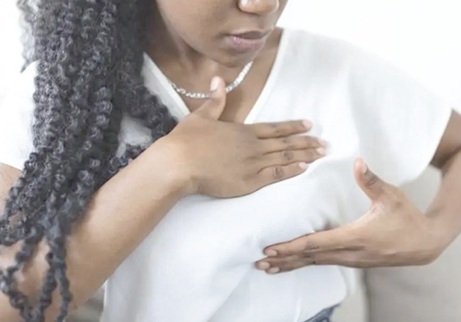
Breast cancer remains a health challenge affecting women in Ghana.
Although advances in medical science have improved detection and treatment, many patients still face difficulties moving from discovering an abnormality to receiving a diagnosis and care.
A diagnosis can bring fear, uncertainty and financial pressure. Treatment may involve surgery, chemotherapy, radiotherapy, medication and repeated hospital visits. Patients may also face transportation costs, loss of income and emotional stress. Early detection can make a significant difference.
Understanding breast cancer
Breast cancer develops when abnormal cells in breast tissue grow uncontrollably.
These cells can form a tumour and, in some cases, spread to nearby lymph nodes or other parts of the body.
Although breast cancer mainly affects women, men can also develop the disease.
A breast lump does not automatically mean cancer because many lumps and changes are non-cancerous.
However, a new or unusual change should not be ignored.
Warning signs may include a new lump in the breast or underarm, changes in breast size or shape, skin changes, nipple abnormalities or unexplained discharge.
Anyone who notices an unusual or persistent change should seek professional medical advice rather than rely on self-diagnosis.
The stage at which breast cancer is diagnosed is important.
Cancer detected before it has spread extensively may provide doctors with more treatment options and can be easier to manage than cancer diagnosed at an advanced stage.
When diagnosis is delayed, treatment can become more complex and may require more intensive interventions.
Late diagnosis can also increase the financial, physical and emotional burden on patients and their families.
More advanced disease may require prolonged treatment and additional hospital visits, while patients may experience greater disruption to work and family responsibilities.
Screening and diagnosis
Women are encouraged to become familiar with the normal appearance and feel of their breasts and to report unusual or persistent changes promptly.
This does not mean every breast change should cause panic.
Rather, concerns should be taken seriously and assessed by qualified healthcare professionals.
Breast cancer screening aims to detect the disease before symptoms become obvious. Mammography is an important screening tool, although the appropriate approach may differ according to age, medical history and individual risk.
Women should discuss their circumstances with qualified healthcare professionals and follow appropriate screening recommendations.
When an abnormality is discovered, further assessment may include clinical examination, imaging and, where necessary, a biopsy. A biopsy can determine whether abnormal cells are cancerous and provide information that guides treatment.
The period between discovering an abnormality and receiving a diagnosis can be stressful.
Delays in seeking medical attention or accessing diagnostic services can prolong uncertainty and may postpone treatment.
The financial burden
Breast cancer can place a considerable financial burden on individuals and families. Depending on the type and stage of the disease, treatment may involve surgery, chemotherapy, radiotherapy, hormone therapy or targeted treatment.
Beyond medical expenses, patients may pay for transportation, diagnostic tests, medicines and repeated hospital visits.
Some may be unable to work during treatment, while relatives may take time away from employment to provide care or accompany patients to appointments.
For households already experiencing financial difficulties, these expenses can become overwhelming.
The geographical challenge
Access to specialised health care is another concern.
Patients in major urban centres may be closer to specialised hospitals, diagnostic facilities and healthcare professionals.
Those in rural and underserved communities may travel considerable distances for diagnostic tests, specialist consultations or treatment.
Repeated journeys can be exhausting and costly, particularly for patients weakened by illness or treatment.
Public awareness plays a major role in early detection.
Some people may delay seeking medical attention because they fear receiving a cancer diagnosis.
Others may feel embarrassed discussing breast changes or may seek advice from informal sources.
Misinformation can also create confusion about the causes, symptoms and treatment of breast cancer.
Education should therefore extend beyond annual awareness campaigns.
Accurate information should be available throughout the year in communities, workplaces, schools, healthcare facilities and through the media.
Community health workers, doctors, nurses, patient organisations, religious groups and civil society organisations can help spread reliable information.
The objective should not be to create fear, but to encourage informed action and timely medical attention.
Building a stronger response
The fight against breast cancer requires more than awareness campaigns.
Ghana needs a healthcare system capable of moving patients efficiently from awareness and screening to diagnosis, treatment and follow-up.
Early detection must be matched by affordable diagnostic services and timely treatment
Encouraging people to seek medical attention early is only part of the solution. Health facilities must also have adequate personnel, equipment, medicines and systems to respond effectively when patients arrive.
Ghana’s response should focus on prevention, awareness, early detection, diagnosis, treatment and long-term support.
A message of vigilance, not fear
Breast cancer is a serious disease, but a diagnosis does not automatically mean the end of life.
Outcomes can depend on factors including the type and stage of cancer and access to appropriate treatment.
Women and men should pay attention to unusual breast changes and seek professional medical advice when concerns arise.
Those eligible for screening should discuss the appropriate approach with qualified healthcare professionals.
For Ghana, the goal should be clear: fewer late diagnoses, faster access to appropriate treatment and better quality of life for people affected by breast cancer.
The fight against breast cancer is not only about hospitals and doctors.
It is also about awareness, early action, affordable care, family support and a health system capable of giving every patient a fair opportunity to receive timely treatment.
Behind every statistic is a person, a family and a life that deserves the best chance.